
6 Ways To Make A Complicated Recipe Easier Before You Start Cooking
You are halfway through dinner when the recipe suddenly asks for “the chilled dough,”. A sauce you have not made yet. Or an ingredient that was supposed to marinate two hours ago.
That is usually the moment a perfectly manageable dish starts to feel very hard.
The problem is often not the cooking itself. It is the way the instructions unfold. Important details appear too late. Prep work is buried inside so many steps. And the order of the recipe does not always match the way someone actually cooks.
A complicated-looking recipe becomes far easier once you know the process. A few minutes of planning before the stove goes on can make the whole experience great.
Start by Looking at the Recipe as a Whole
The instinct is to begin with step one. For unfamiliar recipes, that is not always the best move.
Read everything once before touching an ingredient.
Look for anything that needs to happen earlier than expected: marinating meat, soaking beans, chilling dough, bringing butter to room temperature, preheating an oven, or allowing something to rest.
This first read is also the moment to spot ingredients used in several places. That bowl of chopped herbs, for example, may need to be divided between a sauce, filling, and garnish.
1. Separate Preparation From Actual Cooking
Some recipes look long because preparation and cooking are mixed together.
Turn the ingredient list into a short preparation plan first.
If the recipe calls for chopped onions, minced garlic, grated cheese, washed herbs, and sliced peppers, prepare those ingredients before the pan gets hot.
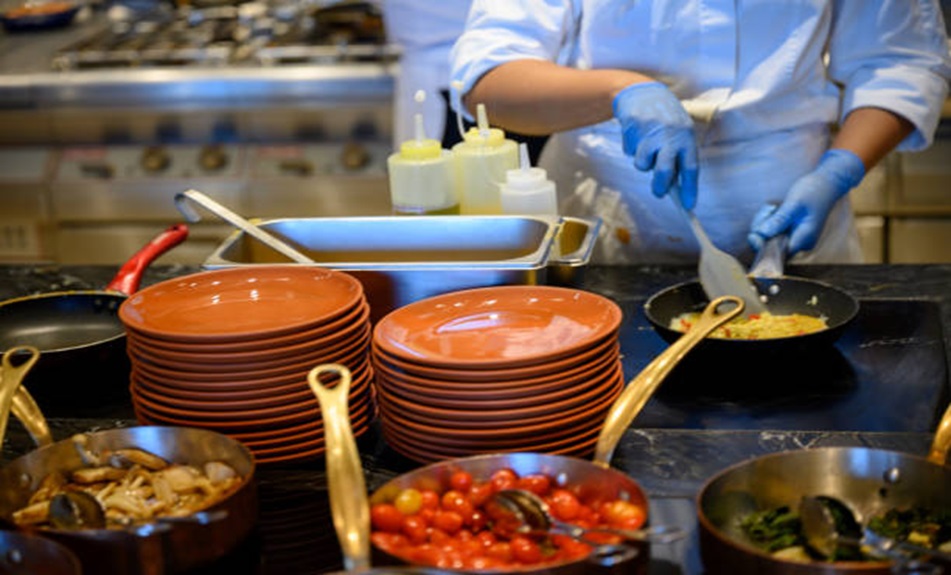
Professional kitchens commonly organize ingredients before cooking, a practice often described as mise en place. At home, it does not have to mean lining up twenty tiny bowls. It simply means having the important ingredients ready when they are needed.
2. Identify the Steps That Need Your Full Attention
Not every minute of a recipe requires the same amount of concentration.
There is a big difference between:
- simmering a sauce for 25 minutes,
- caramelizing sugar,
- frying something for 90 seconds,
- allowing dough to rest, and
- whisking eggs over heat.
3. Turn Long Instructions Into Small Actions
A paragraph containing six different cooking actions is difficult to follow while your hands are covered in flour.
Break it mentally into smaller commands.
Instead of trying to remember:
“Add the onion and garlic, cook until softened, stir in the spices, add the tomatoes and stock, bring to a boil, then reduce the heat.”
Think:
- Cook onion and garlic.
- Add spices.
- Add tomatoes and stock.
- Bring to a boil.
- Reduce the heat.
4. Rewrite Confusing Notes Before the Stove Is On
Family recipes can be wonderfully personal and wonderfully vague.
“Add enough flour.”
“Cook until it looks right.”
“Use the usual amount of spice.”
Those instructions may have made perfect sense to the person who originally wrote them, but they can be difficult for someone making the dish for the first time.
When transferring an old recipe into a digital collection, rewrite unclear wording while the original meaning is still available. A paraphrasing tool may help explore clearer ways of phrasing a particularly awkward instruction, but quantities, temperatures, timings, and cooking methods should always be checked manually afterward.
5. Mark the Recipe’s Decision Points
Cooking is rarely as exact as a stopwatch suggests.
An instruction might say to sauté onions for five minutes, but the useful information is often what should happen during those five minutes. Are they supposed to soften? Brown? Become translucent?
The same applies to baking, roasting, frying, and simmering.
When reviewing a recipe, look for sensory clues:
- Color: golden brown, pale, deeply caramelized.
- Texture: tender, crisp, thickened, smooth.
- Sound: a gentle simmer rather than an aggressive boil.
- Smell: toasted spices or nutty browned butter.
- Structure: dough that springs back or cake that pulls slightly from the pan.
6. Decide What Can Be Done Ahead
A complicated dinner becomes far less complicated when everything does not have to happen at 6:45 p.m.
Look through the recipe and identify components that can reasonably be prepared earlier.
A dressing may be mixed before dinner. Vegetables may be chopped ahead. Some sauces can be prepared in advance. Dough may require resting anyway. Garnishes can often be washed or portioned before cooking begins.
The goal is to remove unnecessary competition for your attention.
Final Thoughts
A long recipe is not always a difficult recipe. Sometimes the real challenge is that preparation, timing, cooking, and explanation have all been packed into one continuous set of instructions. Reading ahead, preparing ingredients, separating complicated steps, identifying sensory cues, and moving suitable tasks earlier can make the same dish considerably easier to manage.