
How a Fitness Trainer in Singapore Aligns Training With Local Eating Habits
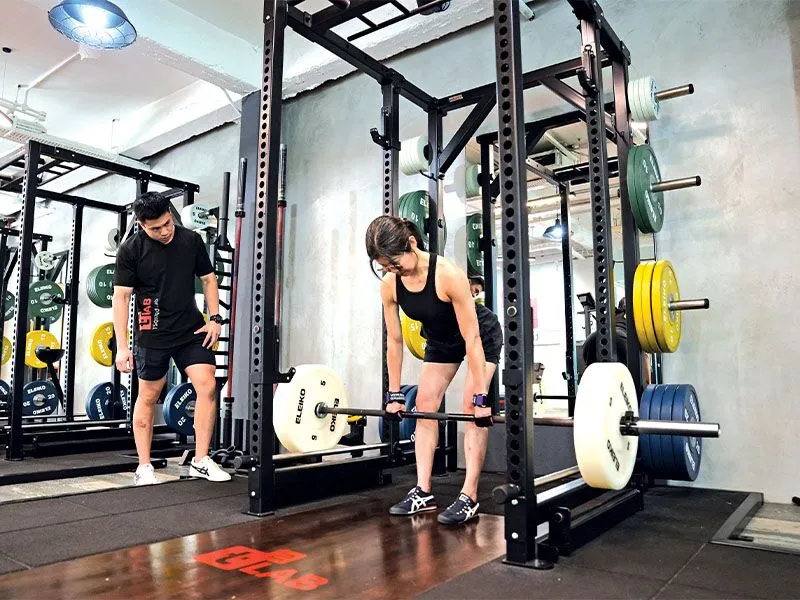
Fitness success in Singapore is rarely limited by motivation. More often, it breaks down because training plans fail to align with real eating habits. From hawker centres and kopitiams to festive gatherings and late dinners after long workdays, food is deeply woven into daily life. Sustainable fitness does not come from avoiding local food culture, but from training intelligently around it. This is where working with a knowledgeable fitness trainer singapore makes a meaningful difference.
Rather than imposing unrealistic dietary rules, an experienced fitness trainer designs programmes that work with how people actually eat. This approach supports consistency, energy, and long-term progress without guilt or restriction.
Understanding Singapore’s Food Landscape
Singapore’s food environment is unique. Meals are social, convenient, and often carb-heavy. Many people eat outside several times a week, sometimes multiple times a day.
Common characteristics of local eating habits include:
-
Rice or noodle-based meals as staples
-
High sodium intake from sauces and gravies
-
Irregular meal timings due to work schedules
-
Larger evening meals after long workdays
-
Festive periods with richer foods
A fitness trainer does not attempt to eliminate these habits. Instead, training is structured to accommodate them.
Why Training Must Adapt to Real Eating Patterns
When training and eating habits clash, results suffer. People feel tired, underperform in workouts, or abandon plans altogether.
A fitness trainer aligns training with eating habits by:
-
Timing sessions to support energy levels
-
Adjusting intensity around heavier meals
-
Avoiding training approaches that require strict dieting
-
Designing programmes that tolerate day-to-day variation
This flexibility keeps clients progressing even when meals are not perfectly planned.
Training Around Hawker and Kopitiam Meals
Hawker meals are part of everyday life. Instead of labelling them as unhealthy, trainers consider their impact on energy and recovery.
Key training considerations include:
-
Scheduling strength sessions away from very heavy meals
-
Using compound exercises that utilise carbohydrates effectively
-
Allowing adequate digestion time before high-intensity work
-
Encouraging hydration to balance sodium intake
This approach helps the body use available fuel efficiently rather than storing it unnecessarily.
Managing High-Carbohydrate Diets Through Strength Training
Carbohydrates are not the enemy. In fact, they are an effective fuel source when training is designed properly.
Fitness trainers leverage higher carb intake by:
-
Prioritising resistance training that uses large muscle groups
-
Programming sessions that improve insulin sensitivity
-
Avoiding excessive low-intensity cardio that increases hunger
-
Encouraging consistent training frequency
Muscle tissue helps regulate blood sugar, making carb-heavy meals less problematic over time.
Training Adaptations During Festive and Social Periods
Festive seasons and social gatherings are unavoidable. Strict plans often fail during these times.
A practical fitness trainer plans ahead by:
-
Reducing training volume during busy weeks
-
Maintaining intensity with fewer sessions
-
Focusing on movement consistency rather than perfection
-
Using strength training to offset higher calorie intake
This prevents the stop-start cycle that many people experience around holidays.
Late Dinners and Their Impact on Training
Late dinners are common due to long work hours. Training programmes must account for this reality.
Fitness trainers adjust by:
-
Scheduling workouts earlier when possible
-
Modifying session intensity if training follows a late meal
-
Avoiding overly taxing evening workouts that disrupt sleep
-
Encouraging lighter training on low-energy days
Sleep quality and recovery are prioritised alongside training output.
Hydration, Sodium, and Performance
Local meals often contain higher sodium levels. While sodium is not inherently harmful, hydration becomes critical.
Trainers guide clients to:
-
Increase water intake around training days
-
Recognise signs of dehydration during workouts
-
Support recovery with proper fluid balance
-
Avoid misinterpreting dehydration as fatigue
Proper hydration improves performance and reduces unnecessary strain.
Food Awareness Without Diet Obsession
A fitness trainer is not a dietician, but awareness matters. The goal is understanding, not restriction.
Support often includes:
-
Recognising how different meals affect energy
-
Understanding portion impact without counting calories
-
Adjusting training expectations based on recent eating
-
Building consistency over perfection
This mindset reduces food-related stress and improves adherence.
Aligning Training With Real Life, Not Ideal Conditions
Many programmes fail because they assume ideal conditions. Real life includes meetings, family dinners, and spontaneous plans.
Fitness trainers design systems that:
-
Allow flexibility without derailing progress
-
Focus on weekly patterns rather than single meals
-
Emphasise long-term trends over daily fluctuations
-
Encourage resilience instead of guilt
This alignment keeps clients engaged over months and years.
Long-Term Results Through Cultural Compatibility
Training that respects cultural habits is more sustainable. When people feel understood rather than judged, consistency improves.
Training environments such as TFX Fitness emphasise practical, lifestyle-aligned programming, helping clients train confidently without abandoning the food culture they enjoy.
Frequently Asked Questions
Q: Can I still see results if I eat hawker food regularly?
A: Yes. When training is structured properly, regular hawker meals can be managed without compromising progress.
Q: Should I avoid training on days when I eat heavier meals?
A: Not necessarily. Training intensity or timing can be adjusted to match energy levels rather than skipped entirely.
Q: Do I need to follow a strict diet to benefit from training?
A: No. Consistent training aligned with realistic eating habits often delivers better long-term results than strict dieting.
Q: How does strength training help with carb-heavy diets?
A: Strength training improves how muscles use glucose, reducing blood sugar spikes and fat storage over time.
Q: Will festive eating undo my fitness progress?
A: Short-term changes rarely undo long-term habits. Maintaining training consistency during festive periods helps preserve progress.
Q: Can a fitness trainer help me manage energy crashes after meals?
A: Yes. Training structure, timing, and recovery strategies can significantly improve post-meal energy stability.