
Why the Cocoa You Buy Actually Matters More Than You Think
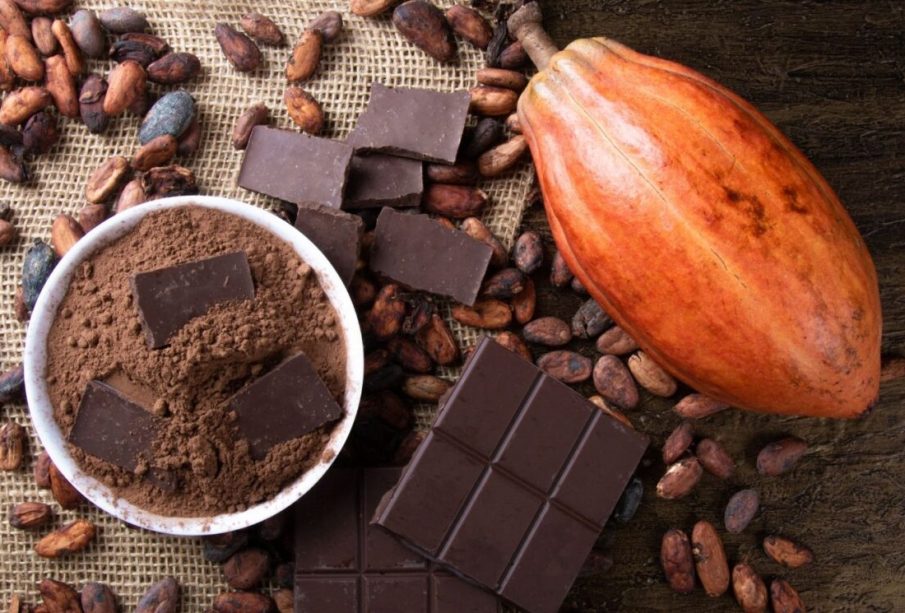
Be honest. When did you last properly look at a tub of cocoa before chucking it in the trolley? Most people don’t. It’s brown, it smells a bit like chocolate, fine. Except it isn’t really fine. Make a chocolate sponge with a good Dutch-processed cocoa, then make one with the cheap stuff, and you’ll see it straight away. The good one’s darker. Richer. Tastes like actual chocolate cake rather than a vague brown sponge.
The UK cocoa aisle doesn’t make life easy either. Labels say “dark” and leave it at that, which tells you next to nothing. Pros have always had access to the decent gear while home bakers got whatever the supermarket stocked. That’s slowly changing. Good news if you bake a lot, or run a small food business and want proper ingredients without ordering half a tonne.
What Makes Cocoa Powder Different Across Brands
So how’s it made? Cacao beans are fermented, dried, roasted, then pressed until most of the fat comes out. The leftover cake gets ground down. That’s your powder. Easy, right? Not quite. The beans’ origin changes things. So does the fermenting. And the big one is whether it’s been alkalised, which is what Dutch-processed means, or left natural.
Why does that matter? Natural cocoa’s acidic, so it reacts with bicarb and helps a bake rise. Dutch-processed has had the acid taken out. Darker, gentler, and no fizz with the bicarb. Swap one for the other without thinking and the cake might come out flat or taste slightly odd. Loads of recipes (the American ones are the worst for it) never say which one they mean. Brilliant.
Fat’s worth a look too. Higher fat, richer taste, smoother in a mug of hot chocolate or a ganache. Budget powders usually skimp on it. Doesn’t matter much for a dusting on top of a tiramisu. Matters loads when cocoa is the main event.
Where Cocoa King Fits In
Ask around in food trade circles and Cocoa King tends to come up. Proper name: Woodlea Food Ingredients Limited. They mostly sell to businesses, not to the public, and that’s the key bit. Trade-grade cocoa. Which sounds a bit industrial, but it’s actually the good stuff, the type that goes into artisan chocolate, patisserie kitchens and food production lines. Same quality every time, with proper specs to back it up.
Got a café? A little bakery from home? If batches keep coming out slightly different and nobody can work out why, the supplier might be the problem. A dedicated ingredients supplier fixes a lot of that. What arrives this month matches what arrived last month.
Getting the Right Cocoa for What You’re Making
For home baking, it doesn’t take much. Ditch the cheapest tub for a mid-range Dutch-processed cocoa and you’ll notice. Green and Black’s does a decent one and most shops have it. Fancy going posh? Valrhona cocoa powder, from specialist baking shops or online. Lovely stuff. Pricey though, somewhere around £10 to £12 for 250g.
Selling what you make changes the maths. Now it’s about every batch matching, the price per kilo instead of per little bag, and a supplier who can actually say where the cocoa’s from and what’s in it. Trade suppliers come into their own here.
Bigger picture? People care more about ingredients than they used to. Where stuff comes from, how it’s processed, what’s in it. Flavour first, obviously. But knowing an ingredient properly is what lets you use it well. Bad technique ruins good cocoa, no question. Start with decent cocoa though and you’ve given yourself a much better shot.