Mastering the Kitchen: Essential Cooking Tips for Every Home Chef
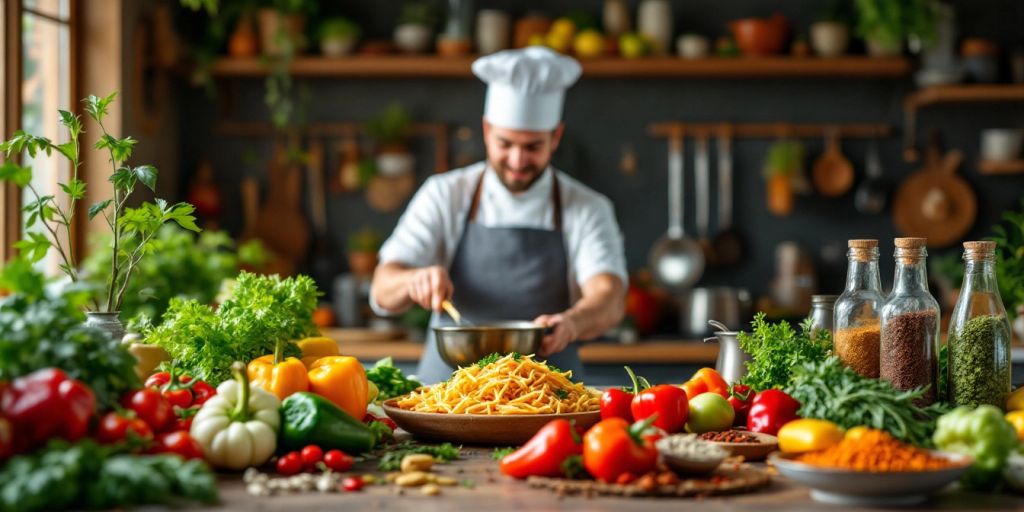
Cooking is an art, a science, and a skill that transcends generations. It’s an essential part of our daily lives, a means of nourishment, and often, a way to connect with loved ones. Yet, many people feel intimidated by the kitchen, unsure of how to bring ingredients together to create something magical. Whether you’re an aspiring home chef or someone who simply wants to improve their culinary skills, a few simple tips can elevate your cooking and transform your meals. Cooking is not about perfection; it’s about understanding techniques, experimenting with flavors, and, above all, enjoying the process. In this article, we’ll explore essential cooking tips that will help you navigate the kitchen with confidence and finesse.
1. Mise en Place: The Foundation of Success
One of the most important and often overlooked cooking tips is to practice mise en place—a French term meaning “everything in its place.” This concept involves preparing and organizing all your ingredients before you begin cooking. The idea is to chop, measure, and arrange all your ingredients in bowls or on trays, so they’re ready to go when it’s time to cook. This simple step can save you time, reduce stress, and ensure a smoother cooking process.
Many home cooks tend to fumble through their cooking, scrambling to find the right ingredients while things are already heating up on the stove. By setting up your mise en place, you can stay focused on the cooking itself, without worrying about missing key ingredients or rushing to chop garlic at the last minute. This also allows you to notice any missing elements early on, so you don’t end up with a dish that’s missing a crucial component.
2. Know Your Knives: Invest in Quality and Technique
A sharp knife is one of the most crucial tools in any kitchen, and mastering the art of knife skills can significantly improve the quality of your cooking. It’s not just about cutting ingredients neatly, but also about ensuring precision, safety, and consistency. Invest in a good-quality chef’s knife and learn how to handle it properly. A sharp knife will make your cutting tasks faster and safer, as it requires less force and reduces the risk of slips.
When chopping or slicing, practice using the “claw” technique with your non-dominant hand to guide the knife, keeping your fingers safely tucked away from the blade. Furthermore, it’s important to understand the different types of knives and their uses—paring knives are great for intricate tasks like peeling, while serrated knives are ideal for cutting through bread and tomatoes. With the right tools and techniques, chopping, dicing, and mincing will become second nature.
3. Seasoning Is Key: Understand the Balance of Flavors
One of the most powerful yet subtle aspects of cooking is seasoning. Salt is the most common seasoning, but its true magic lies in how it enhances the natural flavors of food, rather than just adding saltiness. To get the most out of your ingredients, always season in layers. Start with salt at the beginning of cooking to allow it to penetrate the ingredients, and adjust the seasoning towards the end to ensure balance. Freshly ground black pepper, herbs, and spices should also be added in stages, allowing their flavors to develop and marry with the dish.
Herbs and spices are the essence of many cuisines, so don’t shy away from experimenting with new ones. Fresh herbs, such as basil, thyme, and rosemary, can add a fragrant touch to your dishes, while dried spices like cumin, paprika, and coriander bring depth and complexity. A well-seasoned dish should have a balance of salty, sweet, sour, and umami flavors. To achieve this, don’t forget to taste your food as you go and adjust the seasonings to suit your palate.
4. Heat Control: The Subtle Art of Cooking Temperatures
Many beginner cooks tend to cook everything at the highest heat, hoping to speed up the process. However, different foods require different cooking temperatures, and understanding how to control heat is essential for achieving optimal results. For example, high heat is ideal for searing meats and vegetables, creating a delicious caramelized crust, while lower heat is better for simmering sauces, soups, and stews, allowing flavors to meld without burning the ingredients.
If you’re sautéing, it’s important to allow the pan to reach the right temperature before adding oil or ingredients. Too hot, and the oil will burn; too cool, and you won’t get that golden, crispy texture. When cooking proteins like chicken or steak, resist the urge to move them around in the pan too much—let them sear undisturbed for a few minutes to develop that beautiful crust.
5. Respect the Rest: The Importance of Resting Meat
Many home cooks make the mistake of cutting into meat as soon as it’s cooked, eager to taste the results. However, allowing your meat to rest for several minutes before cutting into it is crucial. Resting meat allows the juices to redistribute, ensuring a tender, juicy result rather than dry, tough meat. This is especially important with larger cuts like steaks, roasts, and poultry. As a general rule of thumb, let your meat rest for about 5 to 10 minutes after cooking, depending on its size.
Resting also applies to dough and baked goods. For example, when making bread or pizza dough, letting it rest allows the gluten to relax, resulting in a lighter, airier texture. Patience, as they say, is a virtue—and it’s certainly one that pays off in the kitchen.
6. Cook with Fresh Ingredients: The Power of Quality Produce
The foundation of great cooking lies in the quality of your ingredients. Fresh, seasonal produce, high-quality meats, and aromatic herbs can elevate any dish, turning even the simplest recipes into culinary delights. While it’s tempting to rely on pre-packaged ingredients, they often lack the vibrancy and flavor that fresh ingredients can provide. If possible, visit local farmers’ markets or specialty stores for the freshest options available.
Moreover, be mindful of seasonality when cooking. Not only does seasonal produce taste better, but it’s also more affordable and environmentally friendly. For example, enjoy the bounty of summer with tomatoes, peaches, and berries, and embrace fall with squash, apples, and root vegetables. Cooking with what’s in season allows you to take advantage of peak flavors and create dishes that are reflective of the time of year.
7. Don’t Be Afraid to Experiment: Creativity in the Kitchen
One of the greatest joys of cooking is the ability to experiment. While following recipes can be helpful, don’t be afraid to add your own twist. Substituting ingredients, adjusting flavors, and trying new techniques are what will ultimately make your cooking uniquely yours. Start small—perhaps add a pinch of an unfamiliar spice or swap one vegetable for another—and see how it changes the dish.
Cooking should be an exploration, not a rigid set of rules. Embrace your mistakes and learn from them; after all, some of the best discoveries in cooking come from moments of improvisation.
8. Clean as You Go: Keeping Your Workspace Organized
A messy kitchen can quickly become overwhelming, especially when you’re in the midst of preparing multiple dishes. One of the most effective habits a cook can adopt is cleaning as you go. Wipe down surfaces, wash utensils, and put away ingredients as you finish using them. This keeps your workspace organized and ensures that you won’t be faced with a mountain of dishes at the end of your cooking session. It also creates a more enjoyable environment, allowing you to focus on the culinary process rather than feeling bogged down by cleanup.
Conclusion: Embrace the Journey
Cooking is a journey that combines learning, creativity, and the joy of sharing good food with others. While the tips outlined above are essential for honing your craft, the most important aspect of cooking is to enjoy the process. Every meal, whether simple or complex, is an opportunity to learn, experiment, and develop your skills. With patience, practice, and a willingness to try new things, you’ll find that the kitchen can be a place of endless discovery and satisfaction. So, take your time, embrace the challenges, and, most importantly, savor the moments of culinary joy that await you.