A Complete Guide to Indian Masalas: Types, Uses & Health Benefits
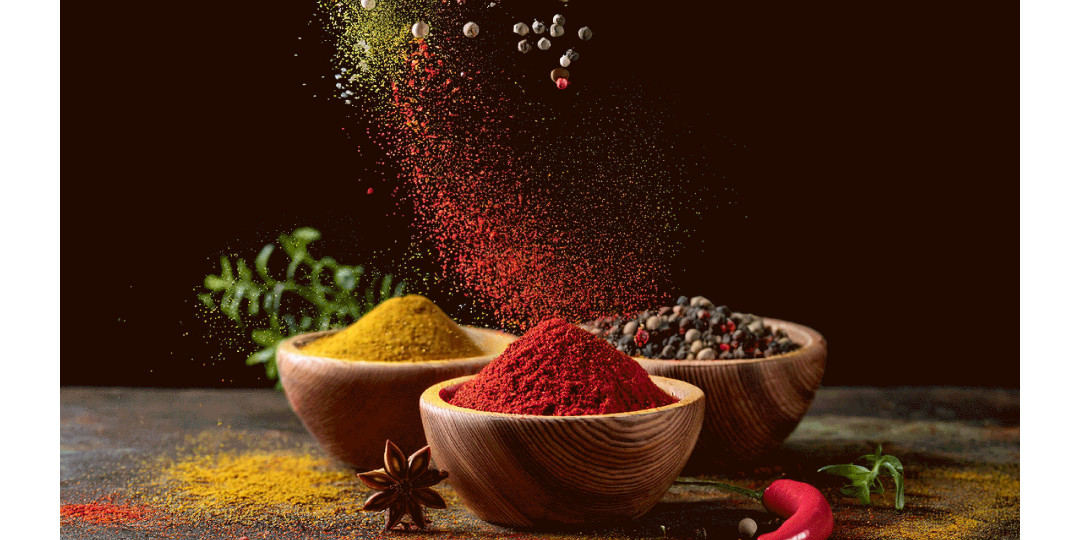
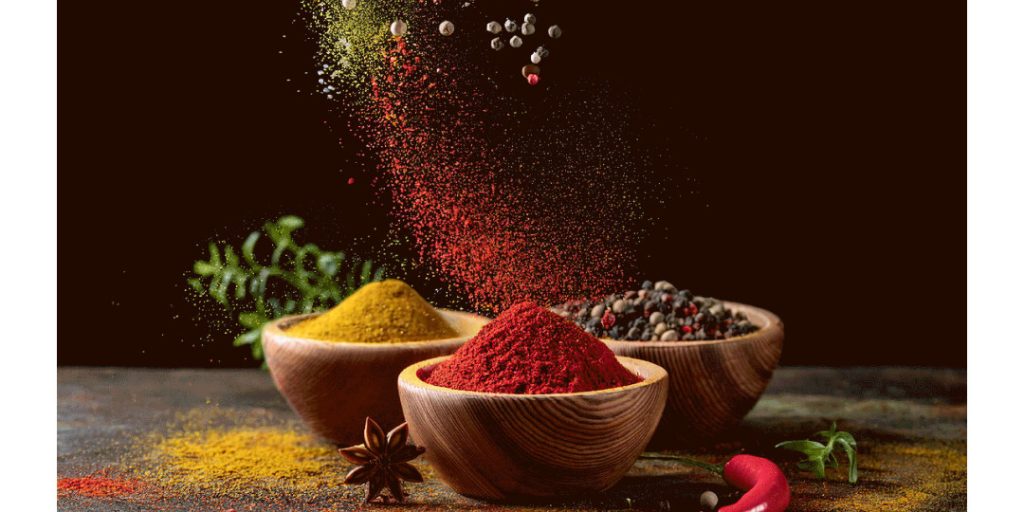
Indian cooking draws its distinct character from the thoughtful use of masalas. Rather than simply adding heat, these spice blends create depth, aroma and balance in a wide variety of dishes. Every region has its own combinations, making Indian cuisine remarkably diverse while preserving traditional cooking methods passed down through generations.
Understanding different masalas, their culinary uses and their nutritional value helps home cooks prepare flavourful meals with greater confidence.
Common Types of Indian Masalas
Indian kitchens rely on several spice blends, each designed for a specific style of cooking.
- Garam Masala: A fragrant blend of spices such as cinnamon, cloves, cardamom and black pepper. It is commonly sprinkled in during the final stage of cooking to bring out its rich aroma.
- Kitchen King Masala: A versatile blend suitable for mixed vegetable dishes, curries and gravies, offering a balanced flavour profile.
- Chole Masala: Specially prepared for chickpea dishes, it delivers the rich, tangy and spicy taste associated with traditional chole.
- Biryani Masala: A carefully balanced mix that enhances the aroma and flavour of rice-based dishes without overpowering other ingredients.
- Fish and Meat Masalas: These blends complement seafood and meat recipes by providing the right combination of warmth, spice and depth.
Selecting the appropriate spice blend allows each dish to develop its intended flavour while maintaining culinary authenticity.
How to Use Masalas Effectively
The right cooking technique makes a noticeable difference to the final result.
- Add powdered spice blends while sautéing onions and tomatoes so the flavours develop evenly.
- Use the recommended quantity instead of adding excessive amounts, as too much spice can mask the natural taste of the ingredients.
- Using a combination of whole spices and ground masalas helps create greater depth and complexity in cooking.
- Store spice blends in airtight containers away from heat, moisture and direct sunlight to preserve freshness and aroma.
Good-quality spice blends also contribute to consistent flavour in everyday cooking. Trusted brands such as Sunrise Spices help maintain quality, freshness and authentic taste across different recipes.
Health Benefits of Indian Masalas
Many traditional spice blends contain ingredients recognised for their natural health-supporting properties.
Turmeric contains curcumin, which is known for its antioxidant properties. Cumin may support healthy digestion, while coriander contributes essential plant compounds that complement a balanced diet. Black pepper contains piperine, which helps improve the absorption of certain nutrients, and cinnamon is valued for its antioxidant content.
Although masalas offer nutritional advantages, they work best as part of a varied diet and healthy lifestyle rather than as standalone remedies.
Conclusion
Indian masalas are more than flavour enhancers. They represent culinary tradition, regional diversity and generations of cooking knowledge. Understanding the purpose of different spice blends helps every home cook prepare authentic dishes with greater ease. Choosing high-quality blends and using them correctly ensures balanced flavour, inviting aroma and enjoyable meals every time.
FAQs
- What are masalas made from?
Masalas are prepared by blending whole or ground spices such as cumin, coriander, turmeric, black pepper, cloves, cinnamon and cardamom. The exact ingredients vary according to the recipe. - Can one masala be used for every dish?
General-purpose blends work for many recipes, but specialised blends such as biryani, chole or fish masala deliver flavours suited to those specific dishes. - Why is it important to choose quality spice blends?
Quality spice blends offer better consistency, freshness and flavour, helping you prepare dishes that taste authentic every time.