The Art of Cooking: Timeless Tips for Every Home Chef
Cooking, at its core, is a beautiful balance of creativity, technique, and patience. Whether you’re a novice in the kitchen or a seasoned cook, there’s always room for improvement, growth, and new discoveries. The art of cooking isn’t just about following recipes; it’s about understanding ingredients, learning techniques, and trusting your instincts to create dishes that both nourish and delight. For those looking to elevate their cooking game, several tried-and-tested tips can help streamline the process, enhance flavors, and unlock the true potential of every meal. Here, we delve into essential cooking tips that will transform your culinary endeavors from simple tasks to an exciting and satisfying experience.
1. The Power of Preparation: Mise en Place
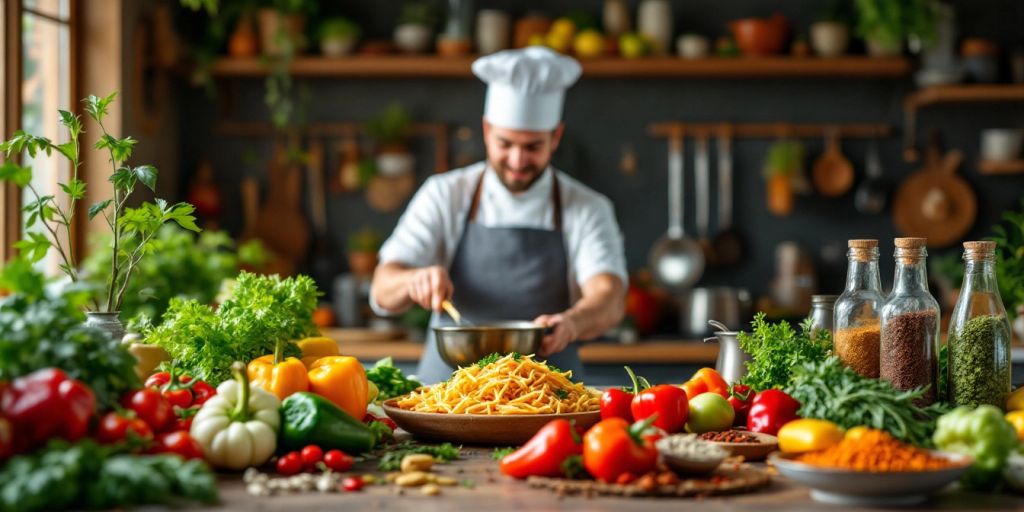
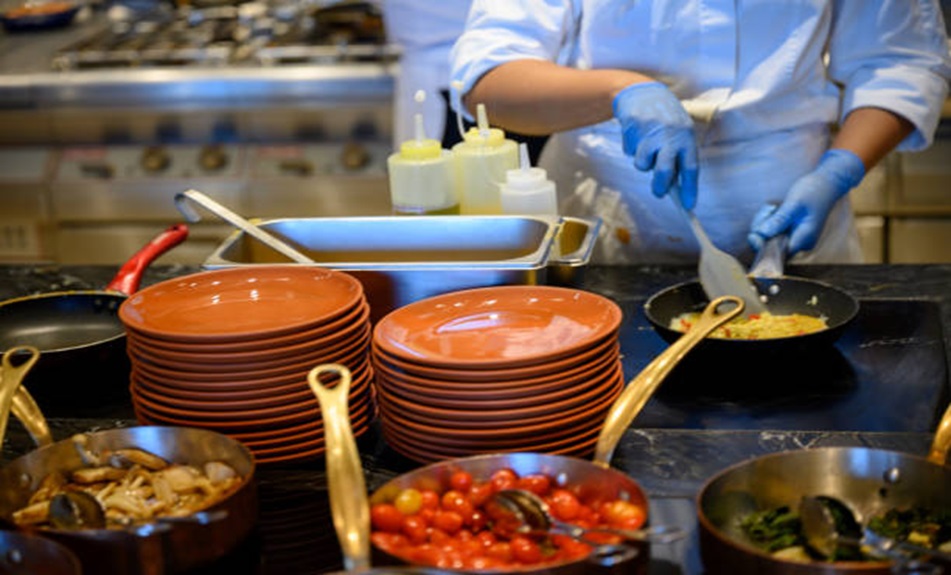
One of the most important yet often overlooked aspects of cooking is preparation. The French term mise en place, which translates to “everything in its place,” is an essential principle in every professional kitchen. Before you even think about turning on the stove, take the time to chop, measure, and organize your ingredients. Not only will this make the cooking process smoother and more efficient, but it will also allow you to fully immerse yourself in the creative aspects of the dish without distractions.
Mise en place ensures that you have everything you need at your fingertips, so you’re not scrambling for a knife or hunting through the pantry mid-recipe. Additionally, it prevents the common pitfall of leaving out an important ingredient, giving you the opportunity to check and double-check your list before you begin. It’s the foundation of successful cooking, whether you’re preparing a complex dinner or a simple weeknight meal.
2. Know Your Tools: The Importance of Proper Equipment
While it’s tempting to stock your kitchen with every gadget on the market, the reality is that having a few high-quality tools can make a world of difference. Invest in a solid set of knives—particularly a sharp chef’s knife, which will be your best friend when it comes to chopping, slicing, and dicing. Sharp knives not only make your tasks easier but also safer, as dull knives can slip and cause accidents.
In addition to knives, consider investing in a good quality pan, such as a heavy-bottomed stainless steel or cast-iron skillet. These materials retain heat well, ensuring an even cooking surface. Non-stick pans have their place for delicate items like eggs and fish, but they should not be your go-to for everything. A sturdy cutting board and a reliable pair of tongs are also indispensable in most kitchens. Knowing when and how to use your tools effectively will make your cooking experience more enjoyable and successful.
3. Master the Basics of Flavor: Seasoning is Everything
It’s easy to assume that a pinch of salt here or a dash of pepper there is enough, but understanding how to season properly can truly elevate a dish from good to great. Salt, in particular, plays a crucial role in enhancing the natural flavors of food, and it’s often the difference between a dish that feels flat and one that is balanced and full of life. The key is to season in layers—adding salt at different stages of cooking to build depth and dimension. Start by salting the base of your dish, like onions or garlic, early on, then taste and adjust as you cook.
While salt is essential, other seasonings should not be overlooked. Freshly ground black pepper adds warmth and depth, while dried herbs like thyme, rosemary, and oregano release their full aroma when cooked slowly in oil or butter. Spices such as cumin, coriander, and paprika can bring complexity and warmth to a dish, especially in stews or curries. Don’t forget about acids like lemon juice or vinegar—these can brighten up rich dishes and balance heavy flavors.
4. Temperature Control: Low and Slow vs. High Heat
Understanding how to use heat is fundamental to achieving the desired results in any dish. Many home cooks make the mistake of cranking up the heat to high when cooking, hoping to speed up the process. However, temperature control is key to unlocking the flavors and textures that make a dish shine.
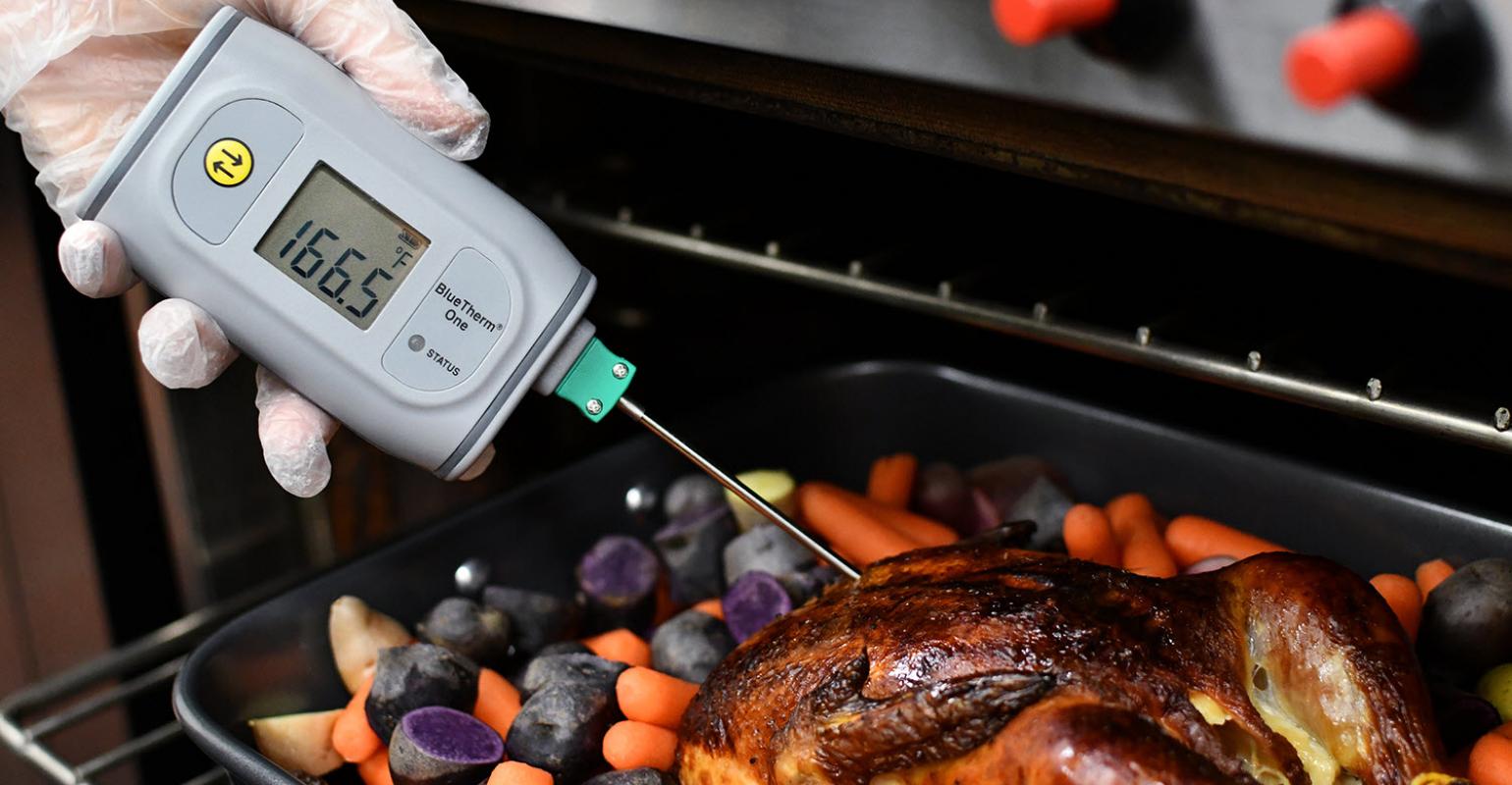
For proteins like meats and fish, searing at a high temperature creates a beautiful crust, but cooking at lower heat after searing will ensure that the inside is cooked through without becoming dry. For stews and sauces, low and slow cooking allows flavors to meld and develop over time. This is especially important when cooking tougher cuts of meat, such as brisket or pork shoulder, which benefit from long, slow braising to become tender.
Similarly, vegetables should be cooked at varying temperatures depending on their texture. Roasting vegetables at a high temperature will caramelize the sugars and create deep, rich flavors, while steaming or sautéing allows for quicker cooking without losing too much moisture.
5. The Art of Resting: Let Meat Relax
After spending time carefully cooking a piece of meat, it can be tempting to cut into it immediately to check how it’s done. But this is a crucial mistake—resting meat after cooking is one of the simplest and most effective ways to improve the texture and juiciness of your dishes.
When you cook meat, the muscle fibers contract and squeeze out moisture. Allowing the meat to rest for several minutes after cooking lets the juices redistribute throughout the fibers, resulting in a more tender and flavorful piece of meat. As a general rule, let steak rest for about 5 minutes, and larger roasts or poultry should rest for at least 10 minutes before slicing.
6. Keep It Fresh: Utilize Seasonal Ingredients
One of the best ways to elevate your cooking is by incorporating fresh, seasonal ingredients. Not only are these ingredients often more affordable, but they are also at their peak flavor. Shopping seasonally allows you to take advantage of the best produce available, and it encourages variety in your meals as the seasons change.
For example, summer brings an abundance of tomatoes, peaches, and berries, while fall ushers in root vegetables, squash, and apples. The natural flavors of seasonal produce require less manipulation, allowing for simple yet vibrant dishes. Visiting local farmers’ markets or joining a CSA (Community Supported Agriculture) program is a great way to incorporate fresh, local ingredients into your cooking.
7. Experiment with Flavors: Don’t Be Afraid to Innovate
While it’s important to master the basics of cooking, don’t shy away from experimenting in the kitchen. Innovation is what leads to new, exciting dishes and flavor combinations. Once you’ve built a solid foundation of culinary skills, it’s time to play with textures, spices, and unconventional pairings. Try adding unexpected ingredients to classic dishes—like a dash of cinnamon to tomato soup, or a sprinkle of pomegranate seeds to a salad—and see how the flavors transform.
The world of cooking is vast, and there’s no limit to what you can create. Don’t be afraid to step outside your comfort zone, try new techniques, or substitute ingredients. Even if a dish doesn’t turn out perfectly, you’ll learn something valuable that will help you next time.
8. Clean as You Go: The Key to an Enjoyable Cooking Experience
No one enjoys cooking in a cluttered kitchen. The chaos of a sink full of dishes and countertops covered in sticky sauces can quickly kill the joy of cooking. Instead, make a habit of cleaning as you go. Wash dishes while you wait for things to cook, wipe down surfaces after using them, and keep your tools organized. Not only does this make the cleanup process easier, but it also helps keep the kitchen tidy and enjoyable throughout your cooking session.
Conclusion: The Joy of Cooking
Cooking is a deeply personal and rewarding activity that offers endless opportunities for creativity and learning. By focusing on key principles like preparation, seasoning, heat control, and using fresh ingredients, you can take your cooking skills to new heights. The most important aspect of cooking, however, is to enjoy the process. Every meal, whether simple or elaborate, is a chance to experiment, connect with others, and savor the rewards of your efforts. So, embrace the joy of cooking, and remember—practice makes perfect. With every dish, you’ll get a little closer to mastering the art of the kitchen.