
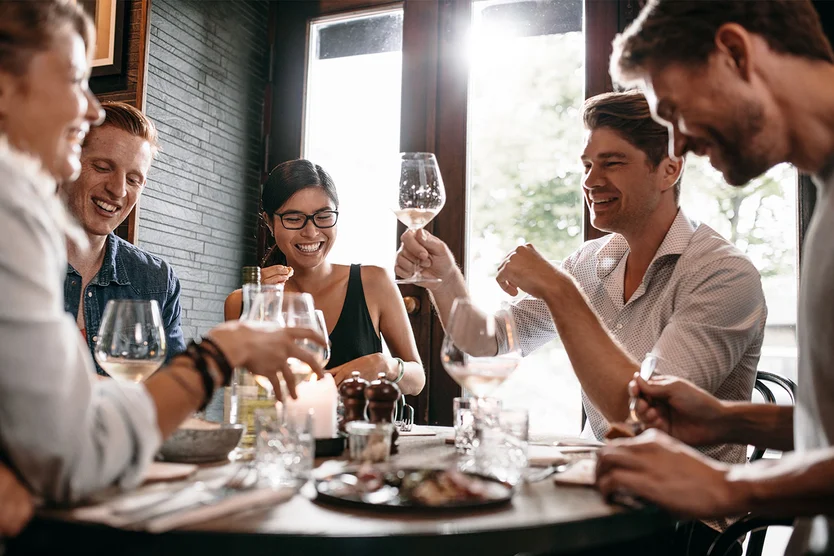
Dining at a restaurant is more than just about eating; it’s an experience that engages all the senses and serves as a platform for culture, creativity, and conversation. In a world where fast food and casual dining often dominate the culinary scene, the restaurant industry has risen to offer more than sustenance—it has become an art form in itself. The combination of atmosphere, service, presentation, and, of course, the food, creates an environment that not only satisfies hunger but also stirs emotions, sparks curiosity, and fosters connections. From intimate, small-town bistros to the grandeur of Michelin-starred establishments, the restaurant is where food and culture meet, where stories are told through ingredients, and where memories are made over the course of a shared meal. In this article, we explore the multifaceted nature of the restaurant experience, how it has evolved, and why it continues to captivate the human imagination.
The Evolution of Restaurants: From Necessity to Luxury
Historically, the concept of the restaurant dates back to 18th-century France, where the word itself was derived from the French word restaurer, meaning “to restore” or “refresh.” Initially, these early establishments were simple soup kitchens or taverns, offering a hearty meal to weary travelers or locals in need of nourishment. Over time, however, restaurants evolved, becoming more refined and tailored to those seeking a more sophisticated dining experience.
In the 19th century, as industrialization spurred growth in urban centers, the restaurant as we know it today began to take shape. The establishment of fine-dining institutions, often frequented by the wealthy, marked a shift from utilitarian spaces to luxurious, multi-course affairs. Chefs became artists, developing innovative menus that highlighted local ingredients and global influences. This shift toward culinary craftsmanship paved the way for a culture where dining is no longer just about fulfilling a basic need but is an experience in itself—one that caters to indulgence, exploration, and pleasure.
Today, restaurants have become as much about the experience as the food itself. The diversity of dining options available is staggering, from humble food trucks offering authentic street food to high-end, avant-garde restaurants pushing the boundaries of gastronomy. Restaurants are not merely places to eat; they are destinations in themselves, drawing customers from near and far with promises of exceptional food, impeccable service, and an atmosphere that elevates the act of dining into something memorable.
The Role of Atmosphere: Setting the Scene for an Immersive Experience
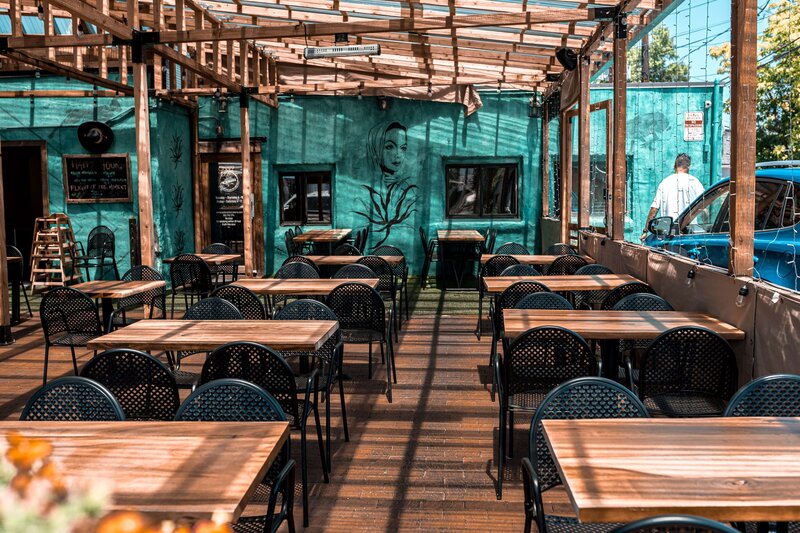
The atmosphere of a restaurant is its first impression, setting the tone for everything that follows. Upon entering, diners are immediately enveloped by the ambiance—the lighting, the music, the décor, and even the scent of the food being prepared in the kitchen. These elements work together to create an environment that enhances the overall experience, turning an ordinary meal into something extraordinary.
Consider the difference between a sleek, modern fine-dining restaurant with minimalist decor and soft, ambient lighting versus a cozy, rustic bistro with exposed brick walls, warm candlelight, and the unmistakable scent of freshly baked bread. Each environment offers a different mood and promises a unique experience. The lighting may be dim and intimate in one, perfect for a romantic evening, while in another, it might be brighter and more energetic, ideal for a gathering with friends or a special occasion.
Restaurants understand that the atmosphere is a crucial part of the experience. It is the backdrop against which the food is presented, the space in which conversations flow, and the mood in which memories are created. In fact, the power of atmosphere is so profound that it can even affect how we perceive the food we eat. Studies have shown that factors such as lighting and background music can influence our enjoyment of a meal, even altering our sense of taste.
Service Excellence: The Art of Hospitality
Great service is the invisible thread that ties the dining experience together. A skilled waiter is not simply someone who takes your order and delivers your food; they are a guide, a storyteller, and an essential part of the overall restaurant experience. In high-end establishments, service is often described as “theater,” with waitstaff trained in the art of timing, presentation, and interaction.
At its core, excellent service is about attentiveness without intrusion, ensuring that every need is met while allowing the diner to relax and enjoy the experience. The staff’s knowledge of the menu and wine list can elevate the meal, providing recommendations that complement the flavors of the dishes. The ability to anticipate guests’ needs—whether it’s refilling a glass of water or suggesting a dessert that aligns with the meal—creates a seamless experience that feels both polished and personal.
While many modern dining experiences focus on formal service, others embrace a more casual approach. In a fast-casual or contemporary restaurant, service may be more relaxed, with diners ordering at the counter or engaging directly with the chef. However, even in these settings, the importance of creating a welcoming atmosphere remains paramount. Ultimately, great service is about making diners feel comfortable and valued, which is at the heart of any memorable dining experience.
Culinary Creativity: The Heart of a Great Restaurant
What truly sets a restaurant apart is its food. The best restaurants don’t simply serve meals; they craft culinary masterpieces that tell a story with every bite. Whether through bold flavors, intricate techniques, or beautiful presentation, great chefs use food to captivate their audience and leave a lasting impression.
The philosophy behind a restaurant’s menu is as diverse as the restaurants themselves. Some restaurants focus on innovative, avant-garde dishes, where molecular gastronomy and experimental techniques take center stage. Others celebrate the simplicity and purity of ingredients, allowing the natural flavors to shine without unnecessary embellishments. Then, there are those that honor tradition, offering regional or cultural dishes passed down through generations, each bite a nod to heritage.
The artistry involved in preparing these dishes is undeniable. Chefs play with textures, flavors, and colors to create dishes that are not only delicious but visually stunning. A single plate can contain a balance of sweet, salty, sour, and umami, alongside a variety of textures that engage the diner’s senses. The use of seasonal and locally sourced ingredients further elevates the meal, offering a taste of the place and time in which the dish was created.
At its best, a restaurant’s food is not just sustenance—it is an experience that invites the diner to explore new flavors, challenge their palate, and connect with the wider world of gastronomy.
The Power of Connection: Dining as a Social Experience
Beyond the ingredients and the artistry, restaurants hold a deeper significance: they are spaces for connection. A shared meal has long been a cornerstone of human interaction, whether between family, friends, colleagues, or strangers. In a restaurant, the table becomes a gathering point for conversation, laughter, and the exchange of ideas. The act of dining together fosters a sense of community, and in many ways, restaurants are microcosms of society itself.
Restaurants serve as venues for celebration—whether it’s a birthday, an anniversary, or a professional achievement. These moments, marked by good food and even better company, are often etched in memory for years to come. The very nature of dining out encourages people to slow down, savor their food, and be present with those around them.
Additionally, the global restaurant scene has opened up new ways for people to experience different cultures and cuisines. From a French brasserie in Paris to a sushi bar in Tokyo, the variety of global offerings allows diners to explore new traditions and tastes without ever leaving their city.
Conclusion: The Restaurant as an Art Form
In today’s fast-paced world, restaurants have evolved far beyond their original purpose of simply feeding people. They are now places where food, art, and culture converge, creating experiences that linger long after the meal has ended. Whether it’s the ambiance, the service, the food itself, or the connections made across the table, the restaurant is an immersive environment where every detail contributes to the overall narrative.
Dining at a restaurant is a journey of the senses, an opportunity to explore, indulge, and connect. In a way, a restaurant is not just a place to eat—it is a destination, a space that fosters not only the enjoyment of food but the joy of life itself. As the restaurant industry continues to evolve, one thing remains certain: the experience of dining out will always be about more than the meal; it will be about the moments that turn into memories.


Comments are closed.
-
An Overview of Seasonal Eating and its Role in Wellbeing
January 29, 2022 -
6 Ways To Make A Complicated Recipe Easier Before You Start Cooking
September 17, 2026 -
Wine and Dine Around Monaco
November 16, 2022
Latest Posts
-

Why the Cocoa You Buy Actually Matters More Than You Think
October 24, 2026 -
6 Ways To Make A Complicated Recipe Easier Before You Start Cooking
September 17, 2026 -
Why Authentic Mexican Food in Texas Delivers Unmatched Flavor
September 1, 2026 -

Catering for Business Networking Events: Menu Planning Tips
August 31, 2026 -

Recent Posts
- Why the Cocoa You Buy Actually Matters More Than You Think October 24, 2026
- 6 Ways To Make A Complicated Recipe Easier Before You Start Cooking September 17, 2026
- Why Authentic Mexican Food in Texas Delivers Unmatched Flavor September 1, 2026
- Catering for Business Networking Events: Menu Planning Tips August 31, 2026
- Best Sub Sandwiches Near Me: A Guide to Choosing Quality Lunch Spots August 27, 2026
Categories
- Bakery & Cake (13)
- Catering (13)
- Chef (7)
- Cooking Tips (10)
- Featured (1)
- Food (114)
- News (5)
- Recipes (9)
- Restaurant (15)