7 Time-Saving Kitchen Hacks Used by Professional Chefs
In the high-pressure environment of a professional kitchen, time is the most valuable commodity. Chefs are not just culinary artists; they are masters of efficiency. Every movement, every station setup, and every preparation step is designed to minimize wasted effort and maximize output. While home cooks often view these techniques as reserved for restaurant settings, many of them are surprisingly easy to adapt to your own kitchen. By adopting a professional mindset, you can significantly reduce the amount of time you spend on meal preparation while simultaneously improving the quality and consistency of your cooking.
Efficiency in the kitchen is built on the concept of preparation and systems. When you watch a professional chef work, you notice that they are rarely scrambling. They are deliberate and methodical. Implementing these seven time-saving hacks will help you reclaim your time and bring a sense of professional control to your daily cooking routine.
1. Master the Art of Mise en Place
The most important habit in any professional kitchen is mise en place, a French culinary term that translates roughly to everything in its place. This is not just a suggestion; it is a rigid operational standard. Before you turn on your stove or pick up a knife, you must have all your ingredients measured, chopped, and arranged in order of use.
By prepping everything before you begin cooking, you eliminate the frantic searching for ingredients while a pan is already hot. This prevents common mistakes like overcooking your aromatics or burning your garlic because you were busy measuring out soy sauce. When everything is pre-prepped in small bowls or on a clean tray, the act of cooking becomes a seamless assembly process rather than a stressful race against the clock.
2. Utilize High-Performance Bench Scraping
If you watch a chef prep vegetables, you will notice they do not pick up their cutting board to dump scraps into the trash. They use a bench scraper. This simple, inexpensive stainless steel tool is perhaps the most underrated item in the kitchen. It allows you to scoop up large amounts of chopped ingredients in a single motion and transfer them directly into your pan or bowl.
Beyond transferring ingredients, a bench scraper is essential for maintaining a clean workspace. By constantly clearing your cutting board of debris and excess moisture, you keep your surface safe and clutter-free. Keeping a clear board allows you to move faster and prevents the cross-contamination that occurs when ingredients pile up in your work zone.
3. Implement the Cold-Start Method for Searing
Many home cooks wait for their pan to reach a high, smoking temperature before adding protein, fearing that anything else will result in sticking. While this is necessary for a quick sear, it is not the only way to cook. For fatty proteins like bacon, duck breast, or even chicken skin, professional chefs often use the cold-start method.
By placing the protein in a cold pan and bringing it up to temperature slowly, the fat renders out gradually and evenly. This results in a much crispier skin and prevents the outside from burning before the inside is properly rendered. This method is a massive time-saver because it requires no constant monitoring or flipping during the initial stages. You can set the pan, adjust the heat, and focus on other tasks while the fat renders perfectly.
4. Master One Sharp Knife and Maintain It
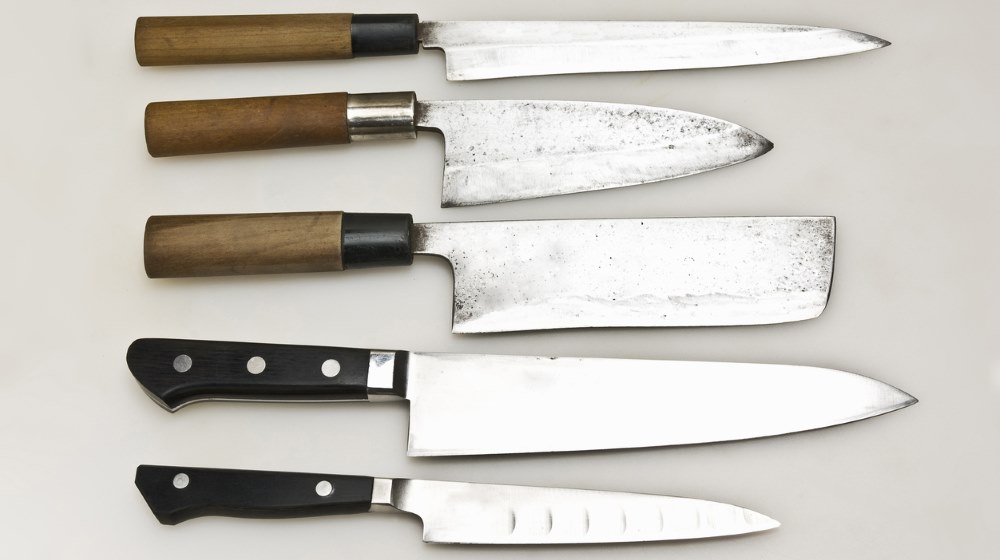
Efficiency in the kitchen is directly linked to the sharpness of your blade. A dull knife is not only dangerous, but it also forces you to use more pressure, which slows down your cutting speed and damages the integrity of the food. Professional chefs prioritize knife maintenance above almost everything else.
You do not need a massive set of twenty knives. You need one high-quality, razor-sharp chef knife. Learning to hone your knife with a steel every single time you cook takes less than ten seconds and keeps your edge functional for months. When your knife glides through an onion or a tomato without resistance, your prep time is cut in half. The less force you have to exert, the more control you have, and the faster you can complete your tasks.
5. Embrace the Power of Batched Flavor Bases
Professional kitchens rarely start a dish from absolute zero if they do not have to. They utilize flavor bases, such as a large batch of sautéed aromatics, that can be used across multiple dishes throughout the week. By caramelizing a large quantity of onions, sweating down celery and carrots, or making a versatile herb oil in bulk, you create a building block that saves you hours of effort.
Having these prepared bases in your refrigerator allows you to create complex, slow-cooked flavors in a fraction of the time. You can toss a portion of your pre-made aromatic base into a soup, a pasta sauce, or a grain bowl to provide a deep, foundational flavor profile that would otherwise require forty-five minutes of active stove time.
6. The Clean-As-You-Go Strategy
The biggest time-waster in the kitchen is the post-meal cleanup. In a restaurant, if your station is dirty, you are failing. Chefs treat cleaning as an active part of the cooking process rather than a separate phase that happens at the end. They wash their cutting board immediately after using it, wipe down the counter between tasks, and rinse mixing bowls as soon as they are emptied.
By cleaning as you go, you never end up with a mountain of dishes. When the final component of the meal is finished, your kitchen is already nearly clean. This practice not only saves time but also keeps your mind clear. Cooking in a clean environment allows you to focus on the textures and flavors of the food rather than the chaos of a cluttered counter.
7. Use the Right Heat Sources for the Right Tasks
Professional chefs are experts at understanding the thermal capacity of their equipment. They do not use a large, heavy stockpot to boil a small amount of water, and they do not use a tiny pan for a meal that requires room to move. They choose the most efficient vessel for the task at hand.
Furthermore, they understand when to use residual heat. You do not need to keep the burner on high until the very last second. Often, a sauce or a vegetable side dish can finish cooking using the residual heat of the pan after the burner is turned off. Mastering this balance of heat management prevents overcooking and saves energy, allowing you to multitask more effectively without the risk of ruining delicate ingredients.
Frequently Asked Questions
How do I know if my knife is sharp enough for professional work?
The best test is the paper test. Hold a piece of printer paper vertically and attempt to slice through it with a single downward stroke of your knife. If the blade tears the paper or catches, it is not sharp enough. A sharp knife should glide through the paper as if it were air.
Is a bench scraper useful for tasks other than cleaning?
Yes, a bench scraper is excellent for dividing dough, portioning butter, smoothing the sides of a frosted cake, and even picking up chopped herbs or garlic from your board to transfer them to a bowl. It is one of the most versatile tools in any kitchen.
How long can I keep batch-cooked flavor bases in the refrigerator?
Most vegetable-based aromatics or flavor bases can be stored in an airtight container for up to five days. If you make a large batch, you can also portion them into ice cube trays and freeze them, allowing you to pull out a single, flavor-packed cube whenever you need it for a soup or sauce.
Does cleaning as I go actually make the cooking process slower?
It seems counterintuitive, but it actually makes you faster. By eliminating clutter, you create more space to work, which allows you to move with more speed and confidence. Plus, the time spent scrubbing one cutting board is negligible compared to the time required to scrub a kitchen full of caked-on pots and pans at the end of the night.
What should I do if my protein sticks even with a cold-start method?
If protein is sticking, the pan likely needs a bit more fat or the temperature was raised too quickly. Ensure you are using enough oil to coat the bottom of the pan before adding the protein, and always wait until the meat releases naturally from the surface. Do not force it; if it is sticking, it is usually because the sear is not yet complete.
Are there any tasks that are actually better done slowly?
Yes, tasks like emulsifying a delicate sauce or reducing a stock should not be rushed. While you can use hacks to prepare, the actual cooking process for certain items requires patience. Rushing the emulsification of a hollandaise or a vinaigrette will almost certainly result in a broken sauce.
How can I improve my mise en place if I have a small kitchen?
In a small kitchen, verticality is your best friend. Use small, stackable containers for your prepped ingredients to save counter space. If you lack counter space, use a dedicated tray to hold all your prepped bowls so that you can move them easily between your prep station and your cooking station.