The Art and Heart of Bakeries and Cakes: A Culinary Journey
In a world filled with fast food, instant gratification, and mass production, bakeries stand as a beacon of tradition, creativity, and craftsmanship. The aroma of freshly baked bread and cakes wafting through the air evokes feelings of comfort, nostalgia, and celebration. Whether it’s the warm embrace of a loaf of sourdough or the delicate sweetness of a birthday cake, bakeries offer more than just food—they offer experiences, memories, and a taste of human ingenuity. The art of baking has evolved through the centuries, with cakes holding a special place in the hearts and minds of people around the globe. But how did we arrive at this world of cakes and confections, and what does a bakery truly mean today? Let’s take a deeper look into the sweet world of bakeries and cakes, where passion meets flour, sugar, and creativity.
The Evolution of Bakeries: From Ancient Grains to Modern Confections
The concept of a bakery, in its most primitive form, dates back to ancient civilizations. Early bakeries were simple establishments that sold bread, a fundamental part of the diet in cultures across Egypt, Greece, and Rome. These bakeries were typically small, family-run businesses where bread was the mainstay of the menu. The first known use of ovens for baking bread dates back over 4,000 years in Egypt, where bakers began to hone the craft of transforming grains into sustenance.
However, the true art of cake-making as we know it today began to take shape in the 17th century. Early cakes were more like bread, made with flour, honey, and sometimes fruits or nuts, and were often used for celebrations. By the time the Industrial Revolution rolled around in the 19th century, advancements in sugar production, the introduction of the first mechanical mixers, and the invention of baking powder allowed for the creation of lighter, fluffier cakes. These new innovations laid the foundation for the modern cakes we enjoy today.
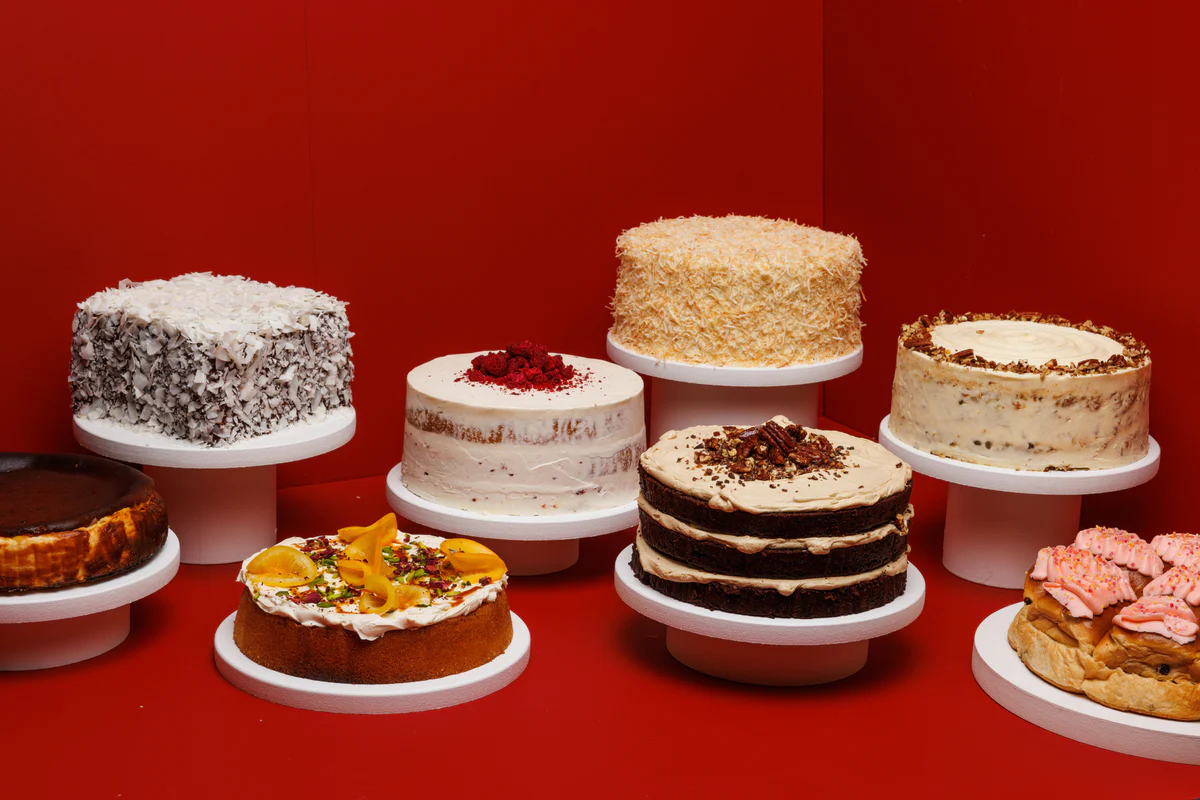
Bakeries, as we understand them, have evolved dramatically over the centuries. The 20th century brought about an explosion of cake varieties—each one influenced by culture, region, and advancements in baking technology. From the American layer cake to the British fruitcake, the French madeleines to the Japanese chiffon cakes, bakeries now showcase a dazzling array of sweet and savory options that speak to both tradition and modern innovation.
The Craftsmanship Behind Every Slice
Baking, particularly cake-making, is often described as both a science and an art. While it may seem as though it’s all about mixing ingredients and popping a cake in the oven, the true artistry of a bakery lies in the details. From the texture of the sponge to the delicate balance of sweetness, the ability to create the perfect cake is a skill that requires years of practice, patience, and a deep understanding of ingredients.
Flour, sugar, eggs, and butter—these humble ingredients, when combined with precision, can transform into something magical. The interplay of heat, time, and chemistry creates the golden crust, the soft crumb, and the melt-in-your-mouth texture of a cake. A skilled baker knows when to fold, when to stir, and when to let the dough rest to achieve the desired result. Even small changes in the mixing process or the temperature of the oven can significantly alter the final product.
Then there’s the decoration—a crucial element in the creation of a show-stopping cake. From intricate piping to fondant roses, cake decorators are artists in their own right, using buttercream, chocolate, sugar, and various other mediums to transform a simple cake into a work of art. It’s a form of self-expression that allows bakers to showcase their creativity, making each cake a unique masterpiece. Whether it’s the elegance of a wedding cake or the whimsy of a birthday cake, the decoration reflects the occasion, personality, and craftsmanship that went into making it.
The Role of Bakeries in Our Lives
Bakeries are more than just places to buy cakes; they are an integral part of our social fabric. The warm glow of a bakery at the corner of a street or the bustling activity inside a modern patisserie offers a sense of community. It’s a place where memories are made—whether it’s the joy of picking up a freshly baked birthday cake or the simple pleasure of enjoying a pastry with a cup of coffee. Bakeries bring people together, offering a space where the hustle of the outside world can slow down, if only for a moment.
In addition to their role as community hubs, bakeries have a deep connection to cultural identity. Traditional cakes, pastries, and breads are often tied to national or regional identities, preserving recipes passed down through generations. For example, the Italian tiramisu, the French bûche de Noël, or the British Victoria sponge all have roots deeply embedded in their respective cultures. Through these cakes, bakeries preserve history, bringing a taste of the past into the present.
Furthermore, bakeries have embraced the wave of dietary changes, adapting to cater to a diverse range of customers. Gluten-free, vegan, and sugar-free options are now staples in many modern bakeries, ensuring that everyone can partake in the joy of cake, regardless of dietary restrictions. This inclusivity has broadened the appeal of bakeries, allowing them to cater to a wider audience while still maintaining the same level of craftsmanship and care in their offerings.
The Future of Bakeries and Cake Making
As we move further into the 21st century, the world of bakeries and cake-making continues to evolve. The rise of food trends such as organic ingredients, locally-sourced produce, and sustainable practices is shaping the way bakeries operate. Customers are increasingly looking for products that align with their values, and bakeries are responding by embracing these trends. The use of alternative flours, plant-based milks, and reduced sugar options is becoming more common, ensuring that bakeries stay relevant and responsive to changing tastes and needs.
In addition, technology has begun to play a larger role in the baking process. From 3D-printed cake toppers to smart ovens that monitor and adjust temperatures for the perfect bake, innovation is making its way into the kitchen. These advances make it easier for bakers to push the boundaries of creativity, allowing them to experiment with new flavors, textures, and designs.
Despite these changes, one thing remains constant: the importance of craftsmanship and passion. In the end, what keeps customers coming back to their favorite bakery is not just the convenience, but the care and skill that goes into every cake and pastry. It is the love of baking, the attention to detail, and the ability to make people smile with something as simple yet profound as a slice of cake.
Conclusion
Bakeries and cakes are more than just sweet treats; they are symbols of tradition, creativity, and community. From the humble loaf of bread to the intricate wedding cake, each creation tells a story of culture, history, and craftsmanship. The artistry behind every cake, the care that goes into every loaf, and the joy that these creations bring to people’s lives are what truly make bakeries magical. As the world of baking continues to evolve, one thing is certain—there will always be a place for the warmth, comfort, and beauty that a perfectly baked cake provides. Whether you’re enjoying a classic vanilla sponge or an innovative new flavor, the art of the bakery will continue to captivate and inspire for generations to come.