What If the Best Italian Experience Was Found in a Singapore Back Alley?
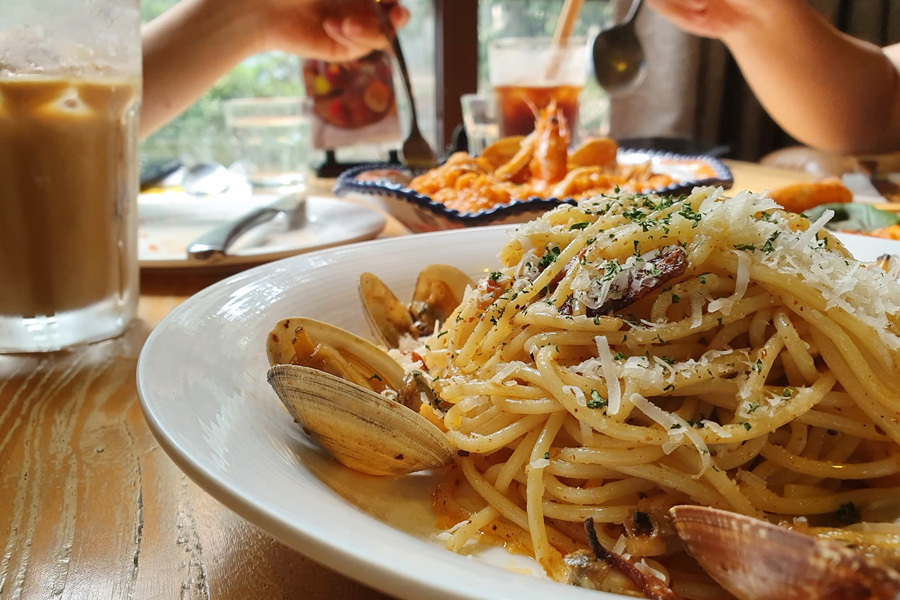
There’s something unexpectedly poetic about good pasta in Singapore being found not in the grand halls of Europe, but in the quiet corners of Joo Chiat or the steamy open kitchens of Bukit Timah. In a city obsessed with efficiency, handmade pasta is a whisper of resistance — the slow unfurling of dough in an age of one-minute noodles and foodpanda fatigue.
Pasta as Ritual, Not Just Recipe
There’s a subtle violence in how industrial pasta is made — pressed, cut, packaged, shipped. Handmade pasta, on the other hand, is sculpted. It asks for time. For attention. It requires the maker to be present, physically and mentally.
In a 2023 poll by HungryGoWhere, 7 in 10 Singaporeans said that food made “by hand” feels “more authentic.” It’s not just nostalgia. It’s trust.
And that trust is well-earned. Handmade pasta:
- Holds sauce like memory holds scent — intimately and lastingly.
- Has texture, not just taste.
- Changes with the weather, the mood of the chef, the grain of the flour.
- It is not factory-stamped. It is felt.
The Singaporean Context: Flour Meets Fire and Fusion
You might expect to find great pasta in Tuscany or Rome, but in Singapore, it’s often tucked behind kopitiams or hidden above yoga studios. The culinary scene here doesn’t mimic Italy — it reinterprets it.
Noteworthy kitchens where this alchemy happens:
- Pasta Bar (Keong Saik Road) – Expect the pasta of your dreams, made before your eyes. The burnt butter sage sauce here should be a national treasure.
- Sarto (Telok Ayer) – Where saffron risotto meets squid ink pasta, and the chefs hand-crank their dough with the precision of watchmakers.
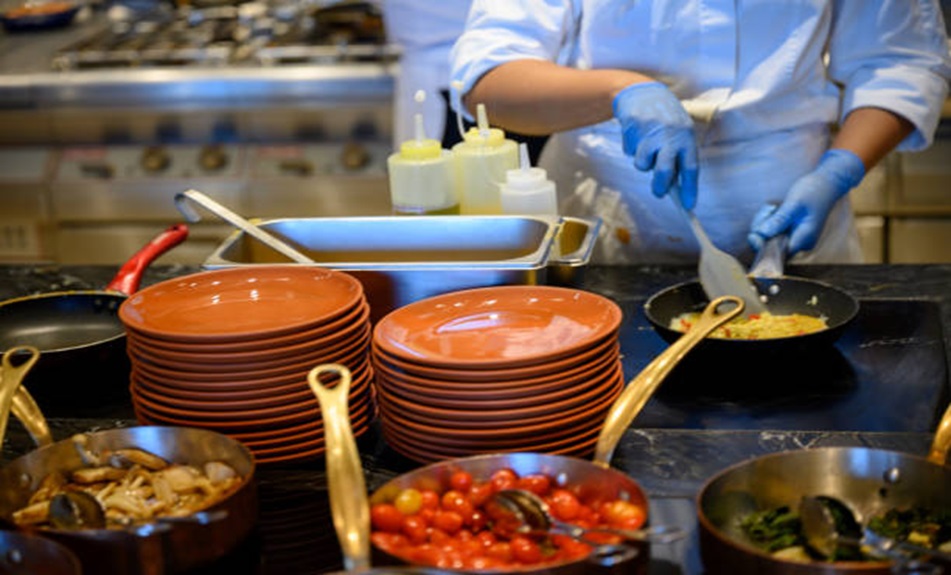
And then there are the home chefs — the unsung magicians of Singapore’s underground dining scene — who knead and roll their dough in HDB kitchens, serving ravioli filled with sambal crab or truffle mushroom in intimate supper clubs.
Where Local Palates Meet Global Plates
Singaporeans are a discerning bunch. We grew up with mee pok and bee hoon — our mouths calibrated to al dente long before we heard the word. That’s why handmade pasta resonates here in unexpected ways. It reminds us of the noodle traditions we already honour.
The rise of handmade pasta is not just about Italian cravings. It’s a celebration of textures and traditions:
- Local chefs blend techniques: You’ll find tortellini shaped like wontons and tagliatelle tossed in XO sauce.
- Seasonal menus reflect terroir, not just Tuscany.
- Pasta schools in areas like Bishan and Kovan now offer weekly workshops, where the young and old alike rediscover dough as meditation.
More Than a Meal: A Movement
This movement is not about gentrification. It’s not a TikTok trend or a new brunch fad. It’s a quiet reckoning. A realisation that to taste something handmade is to experience the trace of the maker’s intention — and maybe, just maybe, their imperfections too.
Like Rao’s explorations of forgotten libraries and fading languages, the rise of handmade pasta feels like a reclamation of something nearly lost. A fight against sterility. A return to the human.
We eat to live, yes. But in Singapore, increasingly, we live to experience. And handmade pasta in Singapore is becoming one of the most delicious ways to do just that.